
Home
 October Musing from Rebecca Crichton: What Scares Us?
I’ve never liked horror movies. I have never even watched the nightmare-inducing Halloween – and don’t intend to. I avoid anything to which the word ‘harrowing’ can be applied: roller coasters, fast cars, or anything that makes me gasp for air.
When I ask people if they like to be scared, I am surprised at how many say yes. I now know that for many people the rush of adrenaline is worth the discomfort. They are also able to realize that things that they choose to watch or experience that increase their heart rate, even eliciting a scream or two, are by choice and, by definition, over sooner than later.
Using Freudian terms, Bruno Bettelheim, the problematic yet brilliant child psychologist, posited that fairy tales help children solve certain existential issues such as separation anxiety, Oedipal conflict, and sibling rivalries. He suggested that the extreme violence and ugly emotions of many fairy tales serve to deflect what already exists in the child’s mind.
Many years ago, I heard a rabbi urge us to reevaluate what we define as brave, saying that different things qualify as bravery. He talked about a woman who had recently died. He had witnessed her courage during the weeks preceding her death. She came out of her shell, met new people, and participated in community in ways that she feared in the past.
There are many things to be afraid of in our world right now. One doesn’t have to be political to be concerned about the increased suffering people are experiencing through climate change, economic and legal instability, and challenges to our institutions. And I will just write the letters: AI.
We don’t know what the future holds and how we will manage it. Much as we like to predict what happens next, a bit of humility is required. To the extent we can, let us find things that calm and comfort us to balance what scares us, whether chosen or out of our control.
October’s essay, Weather Report, explores my own strategy for managing scary and unexpected events. While I can’t change the external facts, I can be attentive to my own internal weather predictions. It will make sense when you read the essay!
Our What I Learned essay this month, Advice from a Real-Life Gangster, is by filmmaker Steven Fischler. Even reflecting on his past, he is keeping his next chapter open.
May you be brave as we enter this scary season!
Rebecca
NWCCA’s Collaboration with Town Hall
Psychedelics and the Reimagining of Old Age
Wednesday, December 9, 7:30 PM, The Mehdi Reading Room, Town Hall Seattle
1119 8th Avenue, Seattle; $10 – $35 sliding scale
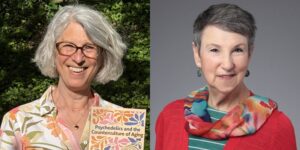
What if psychedelics could make older age the most meaningful, expansive, and joyful time of one’s life?
This was the overwhelming message author Abbie Rosner heard from 36 older psychonauts she interviewed for her new book. In this informal event, Abbie will share highlights from her own journey, excerpts from the book, and explain how she sees the beginnings of a new movement of conscious elders ready to meet the challenges of our troubled times. The book will be available for signing.